
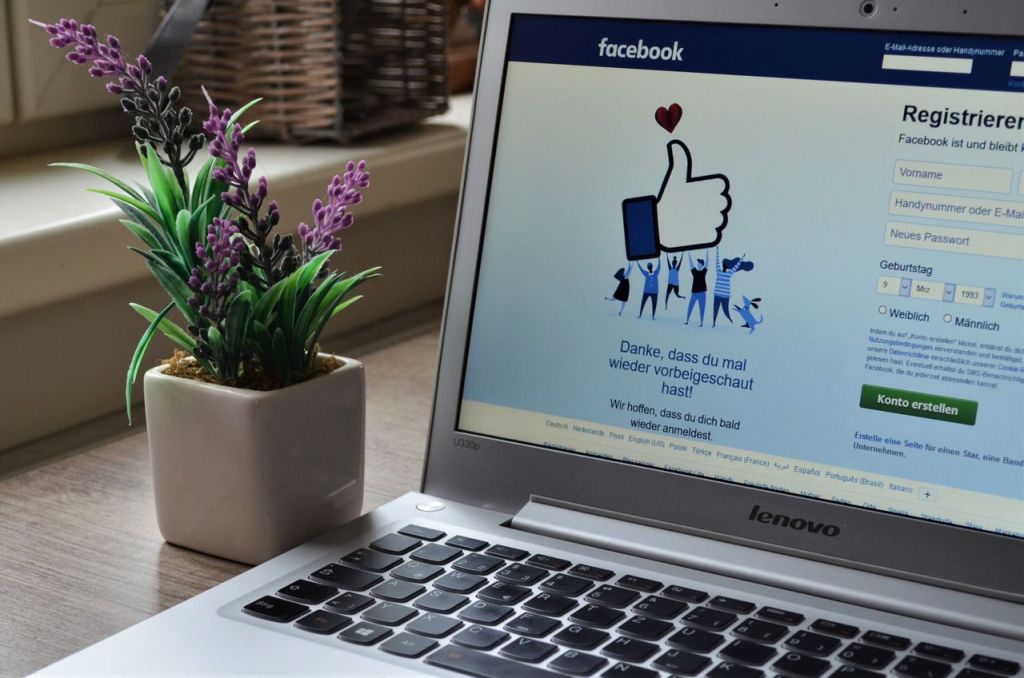
If you are managing marketing for a B2B company, you have likely experienced a puzzling phenomenon lately. Your LinkedIn page is thriving, followers are climbing, engagement is steady. Yet, your Facebook page is hemorrhaging followers. The numbers are dropping, and longtime followers are quietly unfollowing you.
The instinct might be to double down on what works on LinkedIn and push that content harder on Facebook. After all, they are both social media platforms, right?
Wrong.
This is the single biggest mistake B2B marketers make. Treating Facebook like LinkedIn is akin to wearing a three-piece suit to a backyard barbecue. You look out of place, and people will politely (or not so politely) leave.
If you are facing this exact scenario, you are not alone. Here is a step-by-step guide to diagnosing the problem and rebuilding your Facebook presence for a B2B audience.
Step 1: Diagnose Why Your Audience Is Leaving
Before we fix the problem, we must understand why the follower graph is trending downward.
- The “LinkedIn Hangover”: LinkedIn is a professional “brain” space. Users log in to network, learn, and advance their careers. Facebook is a “heart” space. Users log in to unwind, connect with family, and be entertained. When you repost a dense white paper, a formal case study, or a technical industry report on Facebook, it disrupts the user’s experience. It feels like work, and they scroll past, or unfollow to clean up their feed.
- The Algorithm Shift: Facebook’s algorithm has explicitly prioritized “meaningful social interactions” between friends and family over business pages. Even if you have 10,000 followers, your organic reach might only hit 2% of them. If your content isn’t generating immediate emotional reactions (likes, shares, comments), the algorithm assumes your content is irrelevant and stops showing it entirely.
- The “Lurker” Effect: Your target audience, such as decision-makers, managers, and professionals are on Facebook. However, they are usually in “lurker” mode. They read your posts but rarely like or comment because they don’t want their colleagues or clients to see them engaging with commercial content during their downtime. This lack of interaction signals “low quality” to the algorithm.
Step 2: Stop Reposting, Start Remixing
To stop the bleed, you must stop copying and pasting. You need a separate content strategy for Facebook, one that prioritizes personality, process, and visual storytelling.
Here is how you pivot:
| Content Element | LinkedIn Strategy (The “Old” Way) | Facebook Strategy (The “New” Way) |
|---|---|---|
| Goal | Establish thought leadership | Build trust and humanize the brand |
| Tone | Formal, data-driven, educational | Casual, behind-the-scenes, visual |
| Format | Long-form text, case study PDFs | Short-form video (Reels), employee spotlights, live demos |
| Messaging | “We are the experts.” | “Look at what we’re building and who we are.” |
Implementation Ideas for Any B2B Company:
- The “Behind-the-Scenes” Reel: Create a 15-second time-lapse video of your product being assembled, your team collaborating on a project, or your warehouse in action. No voiceover is needed, just music and simple text overlays explaining what is happening. Facebook users love visual “satisfying” content.
- “Meet the Team” Spotlights: Show the faces behind the company. Introduce your customer service lead, your head of production, or your R&D specialist. B2B buyers buy from people, not faceless corporations.
- The “Solution in Action”: Instead of posting a photo of your product, post a video of it solving a real problem for a client (with permission). The caption should focus on the outcome, “Our solution helped Company X save 20 hours a week.” Focus on the result, not the specs.
Step 3: Leverage Precision Advertising
Organic content is the bait, but advertising is the hook. For B2B companies, Facebook ads are often significantly cheaper and more precise than LinkedIn ads—but you need to use them tactically.
- Install Facebook Pixel Immediately: This is non-negotiable. The Pixel tracks visitors who come to your website. You can then retarget these visitors with specific ads. For example, if a prospect visits your “Services” page but leaves, you can show them a Facebook ad featuring a testimonial from a client in their industry.
- Hyper-Targeting: Go beyond broad demographics. Use Facebook’s “Detailed Targeting” to filter by Job Titles (Director, Manager, VP), Industries (Manufacturing, Technology, Logistics), and Interests (specific conferences, professional associations, or competitors).
- Test with a “Warm” Audience: The easiest wins come from retargeting. Start your budget ($500 is a great test amount) on people who have visited your website in the last 30 days. They already know you; they just need a reminder to take the next step.
Step 4: Build a Community, Not Just an Audience
Finally, stop waiting for people to come to your page. Go to where they are.
- Join Industry Groups: Search Facebook for professional networking groups relevant to your niche. Join these groups and provide genuine value. If someone asks an operational or strategic question in your area of expertise, answer it thoroughly—without immediately pitching your product. This builds credibility and drives profile visits.
- Engage Aggressively: If someone comments on your post, reply immediately. If someone sends a message, treat it as a high-priority lead. These small interactions signal to Facebook that your page is “active,” boosting your organic reach.
The Bottom Line
Stop counting followers; start counting conversations.
For a B2B company, a Facebook follower who engages with your page is worth ten times a LinkedIn follower who just clicks “Follow.” It means they are interested in your company culture and reliability, not just your spec sheet.
It is time to stop treating Facebook like a news feed and start treating it like a community forum. By shifting from “professional broadcasting” to “visual storytelling,” leveraging precision retargeting, and engaging in niche groups, you can stop the follower bleed and start attracting quality leads.
Need a kickstarter? Take a look at your last five Facebook posts. If they look exactly like your LinkedIn posts, delete them and start again with a behind-the-scenes video. You will be surprised by the difference.

