
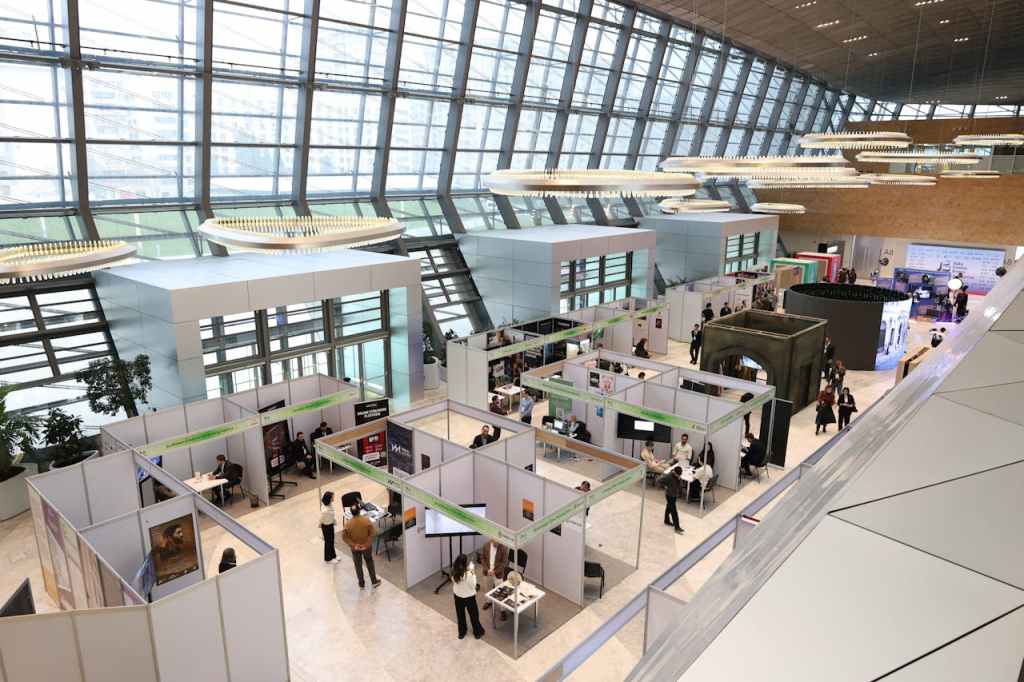
As a B2B marketer, have you ever invested thousands of dollars in booth space, logistics, staffing, and marketing collateral for a major industrial expo, only to walk the floor on opening day and hear the haunting echo of your own footsteps?
You were sold on the promise of packed aisles and high-quality leads. But when the event organizer prices out the attendees, the result is a ghost town. The return on investment (ROI) isn’t just low—it’s in the red.
It’s frustrating, but it’s also a wake-up call. In the B2B industrial sector, relying solely on third-party events for pipeline generation is a risky bet. If you’re ready to take control of your growth strategy, here are five effective GTM (Go-to-Market) strategies that deliver high ROI without leaving your fate in the hands of an event organizer’s ticket pricing.
1. Hyper-Targeted Account-Based Marketing (ABM)
If the expo failed because the quantity of visitors was low, the solution isn’t to cast a wider net; it’s to use a spear. Account-Based Marketing (ABM) flips the traditional funnel upside down.
Instead of waiting for the right people to stumble upon your booth, ABM identifies your ideal 50 to 100 high-value accounts before you launch a campaign.
- How to execute: Use intent data (tools like Bombora or Zoominfo) to see which target accounts are actively searching for solutions to problems you solve.
- The Play: Curate “Executive Briefing Centers” (EBCs) rather than booths. Invite your top 20 target accounts to a private, catered half-day workshop at a neutral venue (or your HQ) focused on solving their specific engineering or operational challenges.
- ROI Impact: While an expo might give you 200 low-quality leads, ABM typically yields a 200%+ ROI because you are spending your budget only on accounts with a high propensity to buy.
2. The “Digital Industrial” Roadshow
Industrial buyers are still hesitant to travel, especially if they were burned by the high costs of the last expo. However, they crave hands-on technical validation. You can bridge this gap by taking your show on the road—digitally.
- The Strategy: Develop a series of high-production value, technical deep-dive webinars or virtual trade shows. But don’t just put a PowerPoint up. Mail prospects a “lunch and learn” kit beforehand (e.g., a small component sample, a branded lunch voucher, and an NDQ).
- The Differentiator: Focus on Continuing Education Units (CEUs). Industrial engineers and technical buyers attend events primarily for education. If you offer accredited learning, you will attract senior decision-makers regardless of the “ticket price.”
- Why it works: You control the guest list. You aren’t competing with other booths for attention. You have their full screen (or conference room) for 45 minutes, resulting in higher conversion rates than a fleeting chat at a crowded booth.
3. Leverage Channel Partnerships for Co-Marketing
If you exhibited at an expo, you likely paid for 100% of the space but got only 30% of the foot traffic. A smarter use of that budget is to leverage your partners’ existing audiences.
- The Strategy: Identify OEMs, systems integrators, or complementary software vendors who already have a loyal customer base in your target vertical.
- The Play: Pool marketing budgets to create co-branded content, joint case studies, or a “Demo Day” hosted at a partner’s facility. You gain access to their trusted relationship with the customer.
- ROI Impact: This slashes your customer acquisition cost (CAC). You’re no longer paying for “strangers” to walk past your booth; you’re paying for warm introductions to an existing installed base.
4. Create a “Direct Access” Content Engine
The expo model relied on the organizer to bring the audience to you. In a modern GTM strategy, you must become the media company for your niche.
- The Strategy: Stop selling products; start solving the specific technical problems your audience faces daily.
- The Execution: Launch a private LinkedIn group, a podcast, or a highly technical video series (e.g., “Metallurgy Mondays” or “Hydraulics Hacks”). Use this to build a community.
- The Hook: Offer a tangible asset—like a proprietary ROI calculator or a deeply technical whitepaper on a regulatory change—that requires a sales consultation to access.
- Why it works: When you own the community, you don’t pay for tickets or booth space. You generate a predictable, monthly flow of inbound leads from buyers who already view you as the authority, not just another vendor in hall B.
5. Pilot Programs and Proof-of-Concept (POC) Sprints
The reason industrial buyers attend expos is to “kick the tires.” If they aren’t coming to you, you must go to them with a low-risk offer that bypasses the need for a trade show.
- The Strategy: Instead of spending $20,000 on a booth, allocate that budget to fund 10 pilot programs.
- The Play: Identify 10 target accounts and offer them a 30-day Proof of Concept (POC) at a steeply discounted rate—or even free—in exchange for a testimonial, a case study, and access to their decision-makers.
- ROI Impact: A trade show yields leads that need to be nurtured for 6–12 months. A POC yields revenue, social proof, and a referenceable customer in 30–60 days. The ROI is measurable, immediate, and far more predictable.
Conclusion: Take Control of Your Destiny
A poorly attended expo is a frustrating experience, but it highlights a critical truth for B2B industrial marketers: you cannot outsource your audience acquisition.
The strategies above—ABM, digital roadshows, channel partnerships, community building, and POC sprints—share one common thread: they put you in the driver’s seat. They rely on your ability to provide value directly to the buyer, rather than hoping an event organizer sets the right ticket price to lure them in.
As you plan your next quarter, consider this: the budget you were going to spend on that next booth might yield a 10x higher ROI if invested in a hyper-targeted ABM campaign or a series of high-trust pilot programs.
Don’t let a quiet expo hall define your year. Get out there, meet your buyers where they actually are, and show them what you can do on your own terms.
 LYVIX
LYVIX 