
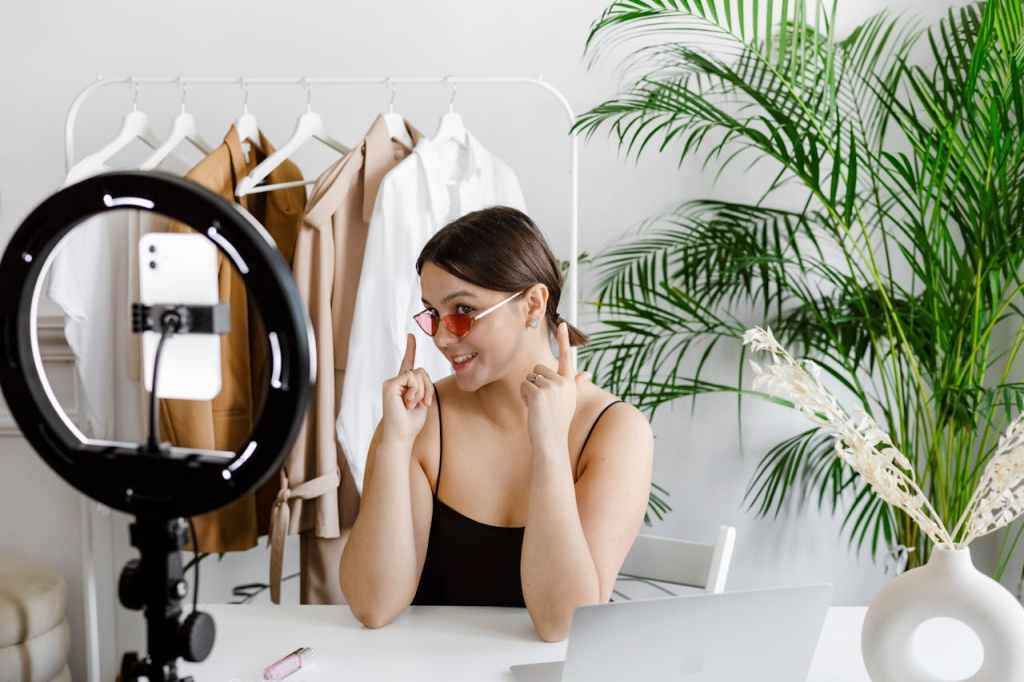
You’ve seen it happen. A brand you follow partners with a creator, and suddenly, your entire feed is filled with authentic, engaging content that doesn’t feel like an ad—it feels like a recommendation from a friend. That’s the power of influencer marketing done right.
But for every successful campaign, there’s another that fizzles out. A poorly matched influencer, a forced caption, or a lack of clear goals can make your investment disappear into the social media void.
So, how do you ensure your campaign is a success? It’s not just about finding someone with a million followers. It’s about building a strategic partnership. Let’s break it down.
Step 1: Lay the Foundation: Goals & Strategy
Before you even look at an influencer’s profile, you need to know why you’re doing this.
- Set SMART Goals: What do you want to achieve?
- Brand Awareness: Get your product in front of a new, relevant audience.
- Engagement: Spark conversations and build community around your brand.
- Lead Generation: Drive sign-ups for a newsletter or webinar.
- Sales: This is a direct call to action. Use trackable links and discount codes.
- Know Your Audience: Which influencers does your target audience actually follow? A 40-year-old professional isn’t likely swayed by the same creator as a 19-year-old college student.
- Budget accordingly: Decide if you’ll pay in free products, a flat fee, affiliate commissions, or a combination. Remember to budget for the product, shipping, and the creator’s time.
Step 2: Find the Right Influencers, Not Just the Big Ones
Forget follower count for a second. The most important metric is relevance.
- Look for Alignment: Does the influencer’s content, values, and aesthetic align with your brand? A luxury watch company should partner with a creator who values craftsmanship, not one who primarily posts fast-fashion hauls.
- Nano and Micro-Influencers are Gold: Don’t overlook creators with 1,000 to 50,000 followers. They often have higher engagement rates, more trusted voices, and are more affordable. Their audience is typically highly niche and dedicated.
- Do Your Due Diligence:
- Engagement Rate: Are their followers actually liking, commenting, and sharing? (Likes / Followers) x 100 is a simple way to check. Look for comments that are more than just emojis.
- Authenticity: Does their content feel genuine? Do they have a consistent voice?
- Check for Fake Followers: A sudden spike in followers or a high number of followers with low engagement can be a red flag.
Tools to Help: Use platforms like AspireIQ, Upfluence, or even Instagram’s search function with relevant hashtags to find potential partners.
Step 3: The Outreach: How to Start the Conversation
A generic, copy-pasted DM is a surefire way to get ignored. Personalize your approach.
- Engage First: Like and comment on their posts for a week or two before you reach out. Show you’re genuinely a fan.
- Craft a Personalized Pitch: When you do message them (email is often more professional for formal proposals), mention:
- Their name.
- A specific piece of their content you enjoyed.
- Why you think they’re a great fit for your brand.
- What the collaboration could look like, but be open to their ideas.
- Be Clear and Professional: Treat them as a creative partner, not a billboard.
Step 4: Build a Mutually Beneficial Partnership
Once an influencer is on board, the real work begins. A successful collaboration is a two-way street.
- Provide a Clear Creative Brief, Not a Script: Give them the key messaging, brand guidelines, and any mandatory elements (e.g., a hashtag, a discount code). But then, give them creative freedom! Their audience follows them for their unique style and voice. A forced, scripted post will fall flat.
- Treat Them Well: Send the product in beautiful packaging. Offer a fair payment that reflects their worth. A positive experience turns a one-off collaborator into a long-term brand advocate.
- Communicate & Approve: Establish a clear process for submitting content and providing feedback. Avoid endless revision cycles—trust their expertise.
Step 5: Measure, Analyze, and Optimize
The campaign is live. Now what? Track your pre-determined goals.
- Trackable Links & Codes: Use UTM parameters and unique discount codes to directly attribute sales and website traffic.
- Monitor Engagement: Track likes, comments, shares, and saves. Are people asking questions about your product?
- Listen to the Conversation: Read the comments! This is invaluable, direct feedback from your target audience.
- Calculate ROI: Compare the results (sales, value of impressions, new followers) against your total investment (fees, product, time).
Common Pitfalls to Avoid
- The Control Freak: Micromanaging the content. You hired an expert—let them expert!
- Chasing Vanity Metrics: 100,000 followers mean nothing if they don’t engage or buy.
- One-and-Done Mentality: The real magic happens in long-term ambassador relationships.
- Ignoring FTC Guidelines: Ensure all sponsored posts are clearly disclosed with #ad, #sponsored, or the platform’s paid partnership tag. It’s the law and it builds trust.
The Bottom Line
Influencer marketing isn’t a transaction; it’s a relationship. When you find the right partners, respect their craft, and align on a shared goal, you unlock a level of authenticity and reach that traditional advertising can’t match.
It’s about co-creating a story that both the influencer and their audience are excited to be a part of. And that’s a story that sells.
 LYVIX
LYVIX 