
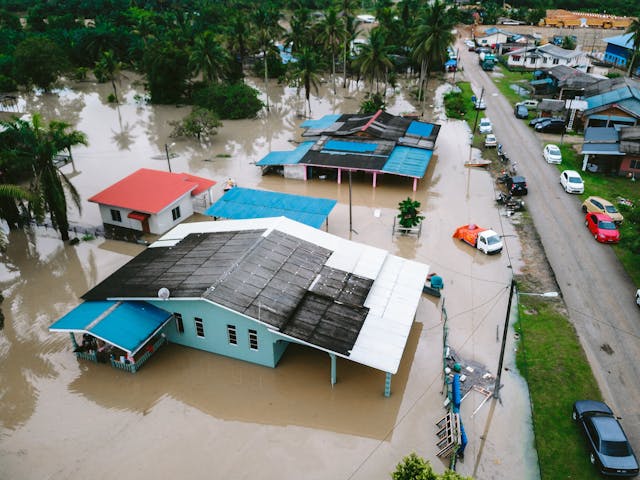
Natural disasters—whether cyclones, wildfires, floods, or earthquakes—can strike at any time, leaving devastation in their wake. For small businesses, the impact can be particularly severe, often threatening survival. However, with proper preparation and a clear recovery plan, small businesses can not only withstand these challenges but also emerge stronger. Here’s a comprehensive guide to help small businesses prepare for and recover from natural disasters.
1. Preparing for a Natural Disaster
Create a Disaster Preparedness Plan
A well-thought-out plan is your first line of defense. This plan should include:
- Emergency Contacts: List key contacts, including employees, suppliers, insurance providers, and local authorities.
- Evacuation Procedures: Outline clear evacuation routes and meeting points for employees.
- Communication Strategy: Establish how you’ll communicate with employees, customers, and stakeholders during and after the disaster.
Back Up Critical Data
Ensure all important business data—customer information, financial records, and operational documents—are backed up regularly. Use cloud-based storage solutions to protect against physical damage to on-site servers.
Secure Insurance Coverage
Review your insurance policies to ensure they cover natural disasters specific to your region. Consider business interruption insurance, which can help cover lost income during recovery periods.
Protect Physical Assets
- Safeguard Equipment: Move critical equipment to higher ground or secure it to prevent damage.
- Reinforce Structures: Install storm shutters, reinforce doors, and take other measures to protect your physical location.
- Stock Emergency Supplies: Keep essentials like flashlights, batteries, first aid kits, and water on hand.
Train Employees
Educate your team on the disaster preparedness plan and conduct regular drills. Ensure everyone knows their role and responsibilities during an emergency.
2. During the Disaster
Prioritize Safety
The safety of your employees and customers should always come first. Follow evacuation orders and avoid unnecessary risks.
Stay Informed
Monitor weather updates and emergency alerts to make informed decisions about business operations.
Communicate Proactively
Keep employees, customers, and suppliers informed about the status of your business. Use social media, email, or your website to provide updates.
3. Recovering from a Natural Disaster
Assess the Damage
Once it’s safe, evaluate the extent of the damage to your property, equipment, and inventory. Document everything with photos and videos for insurance claims.
Contact Your Insurance Provider
File your claim as soon as possible. Provide detailed documentation and work closely with your insurer to expedite the process.
Restore Operations
- Temporary Location: If your premises are unusable, consider relocating temporarily or operating remotely.
- Repair and Rebuild: Prioritize repairs that are essential for resuming operations.
- Replenish Inventory: Restock essential supplies and inventory to meet customer demand.
Leverage Financial Assistance
Explore disaster relief programs, grants, and low-interest loans offered by government agencies.
Reconnect with Customers
Communicate transparently with your customers about your recovery progress. Offer discounts or promotions to rebuild loyalty and attract new business.
Review and Improve Your Plan
Use the experience to identify gaps in your disaster preparedness plan. Update your strategy to better handle future emergencies.
4. Building Resilience for the Future
Diversify Revenue Streams
Consider offering online services or expanding your product line to reduce reliance on a single source of income.
Strengthen Community Ties
Build strong relationships with other local businesses, community organizations, and government agencies. A supportive network can be invaluable during recovery.
Invest in Technology
Adopt tools like cloud computing, remote work software, and digital payment systems to ensure business continuity during disruptions.
Final Thoughts
Natural disasters are unpredictable, but your response doesn’t have to be. By taking proactive steps to prepare and having a clear recovery plan in place, small businesses can minimize the impact of disasters and bounce back stronger. Remember, resilience isn’t just about surviving—it’s about thriving in the face of adversity.
If you’re a small business owner, start today. Review your current plans, invest in the right tools, and build a culture of preparedness within your team. Together, we can ensure that small businesses remain the backbone of our communities, no matter what challenges come our way.
Let’s work together to protect your business and ensure its future success.
 LYVIX
LYVIX 